
Clean Baseboards Eco-Friendly: 5 Tips for 90% Dust Cut
Cleaning baseboards ranks high on the list of dreaded household chores. These low strips collect dust, grime, and scuffs yet often get ignored because scrubbing them requires bending, harsh chemicals, and serious elbow grease. This guide reveals eco-friendly methods that cut through dirt efficiently while protecting your home’s health and beauty, all with less physical strain.
Key Takeaways
| Point | Details |
|---|---|
| Regular dusting prevents buildup | Weekly microfiber cloth wipes cut deep cleaning frequency significantly. |
| Vinegar and dish soap work safely | Diluted solutions clean effectively without toxic fumes or surface damage. |
| Melamine sponges tackle scuffs | These require moderate scrubbing but remove marks with water alone. |
| Ergonomic tools reduce strain | Long handles minimize bending and protect your back during cleaning. |
| Clean every 3 to 6 months | This schedule maintains appearance and improves indoor air quality. |
Introduction to Baseboard Cleaning
Baseboards frame every room and significantly influence how clean your space looks overall. When dust and dirt accumulate along these strips, the entire room feels neglected no matter how spotless your floors or furniture appear. Beyond aesthetics, dirty baseboards trap allergens and particulates that affect indoor air quality, particularly for households with children or pets.
Many homeowners postpone this task because traditional methods demand uncomfortable bending and kneeling. The physical toll discourages regular maintenance, allowing grime to harden and become even more difficult to remove. Additionally, conventional cleaning products often contain harsh chemicals that can damage painted finishes, emit strong fumes, or harm the environment when washed down drains.
Eco-friendly cleaning methods solve these problems by combining effectiveness with safety. Natural solutions like diluted vinegar and mild dish soap cut through dirt without releasing toxic vapors or stripping paint. These approaches align with sustainable living practices while delivering results that rival or exceed chemical cleaners. Key benefits include:
- Protection of painted and finished surfaces from chemical damage
- Elimination of harmful fumes that affect respiratory health
- Reduction of environmental impact through biodegradable ingredients
- Cost savings compared to specialized commercial cleaners
- Safety for homes with children, pets, or sensitive individuals
By choosing green cleaning techniques, you maintain your home’s appearance while supporting broader health and environmental goals.
Prerequisites: Tools and Materials Needed
Gathering the right supplies before you start makes baseboard cleaning faster and more comfortable. Eco-friendly cleaning products deliver powerful results without compromising safety or sustainability. Most items listed below are affordable, reusable, and already present in many households.
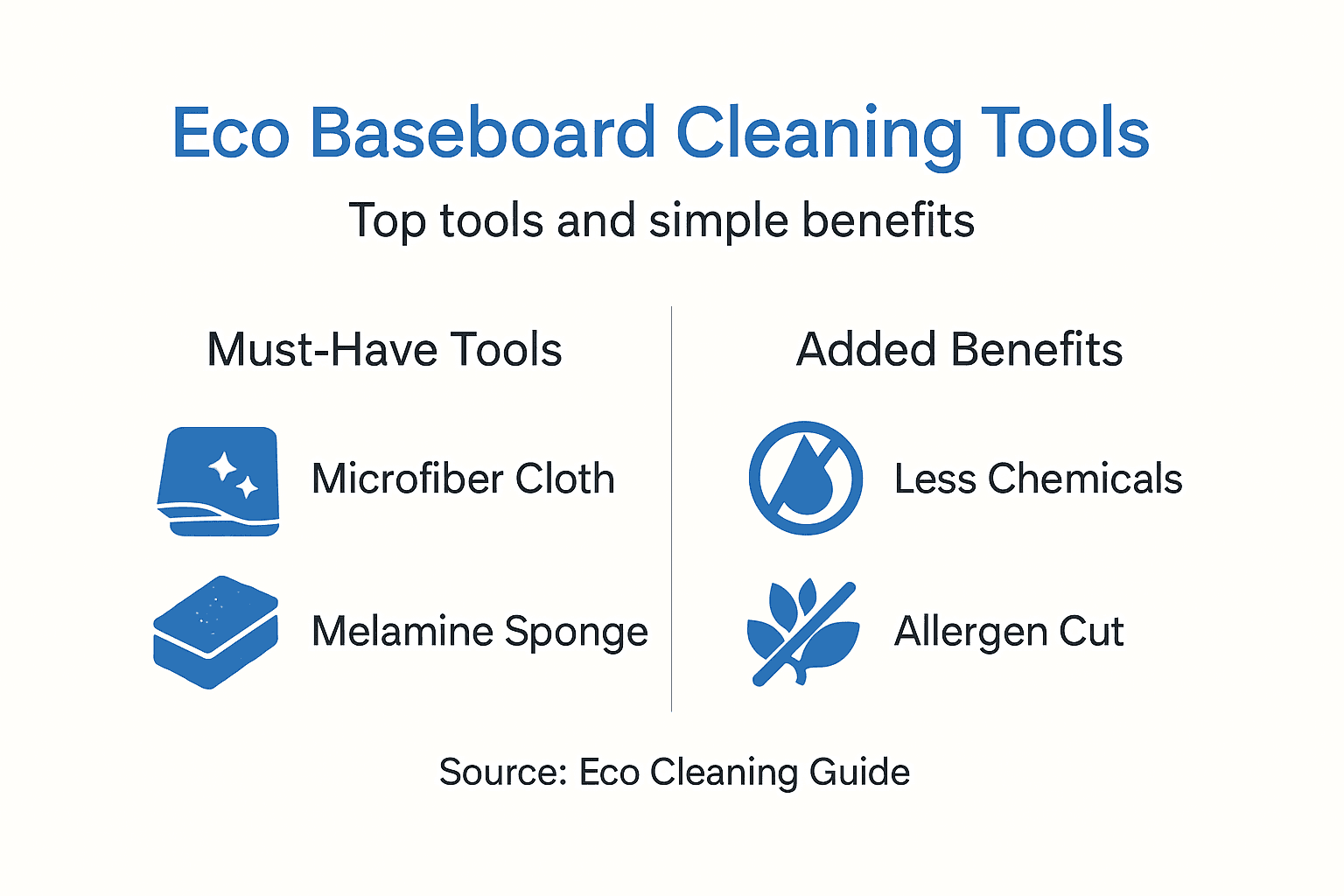
Microfiber cloths trap dust particles effectively through their fine fibers, making them ideal for dry dusting. Unlike paper towels or cotton rags, microfiber picks up dirt rather than pushing it around. You can wash and reuse these cloths hundreds of times, reducing waste.
Melamine sponges, often called magic erasers, remove scuff marks and stubborn stains using only water. Their micro-abrasive structure lifts marks without harsh chemicals, though they do require moderate scrubbing effort. Diluted white vinegar mixed 1:1 with water creates a powerful, non-toxic cleaning solution that cuts grease and dissolves grime. Mild dish soap mixed with water tackles tougher buildup when vinegar alone is insufficient.
A vacuum cleaner with a brush attachment removes embedded dust from baseboard edges and crevices more thoroughly than wiping alone. This step prevents dust from becoming airborne during wet cleaning. Protective gloves shield your hands from prolonged water exposure and prevent skin irritation. Optional dryer sheets rubbed along clean baseboards can repel future dust through static reduction.
Ergonomic cleaning tools with long or adjustable handles dramatically reduce physical strain. These tools let you clean while standing upright, protecting your back and knees. Models with pivoting heads reach corners and tight spaces more easily.
Pro Tip: Invest in a microfiber mop with a removable, washable head. This tool extends your reach and makes large baseboard areas manageable without bending.
| Tool/Material | Purpose | Eco-Benefit |
|---|---|---|
| Microfiber cloths | Dust trapping and wiping | Reusable, reduces paper waste |
| Melamine sponges | Scuff mark removal | Chemical-free cleaning |
| White vinegar (diluted 1:1) | General cleaning solution | Biodegradable, non-toxic |
| Mild dish soap | Tough grime removal | Low environmental impact |
| Vacuum with brush | Deep dust removal | Prevents airborne particles |
| Long-handled tools | Ergonomic cleaning | Reduces physical strain |
Preparation and Regular Dusting
Establishing a regular cleaning routine prevents heavy dirt accumulation and makes deep cleaning sessions shorter and easier. Dry dusting removes loose particles before they bond with moisture or oils to form stubborn grime. This preventive approach reduces the frequency of intensive scrubbing.
Weekly dusting with microfiber cloths keeps baseboards looking fresh between deep cleans. Slightly dampen the cloth with water to enhance dust capture, but wring it thoroughly to avoid over-saturation. Work in long, smooth strokes along the baseboard length, folding the cloth to expose clean sections as you progress.
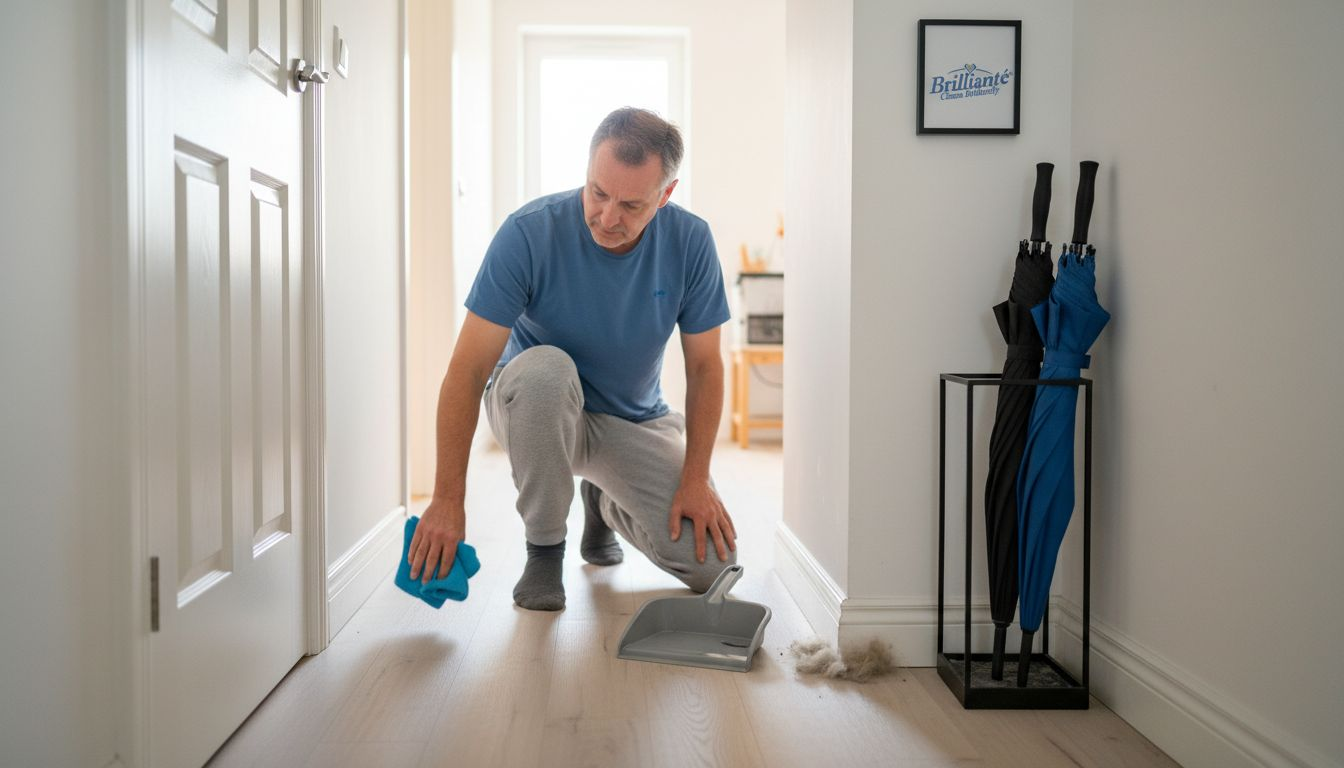
Before wiping, vacuum baseboard edges with a brush attachment to dislodge embedded debris from crevices and corners. This step removes particles that cloths might miss and prevents them from becoming airborne during wiping. Move the vacuum slowly along the entire baseboard perimeter, paying extra attention to corners where dust congregates.
Regular dusting reduces airborne allergens that trigger respiratory issues and creates a cleaner appearance throughout your home. This simple habit takes just minutes per room yet delivers visible results. After dusting, some homeowners rub dryer sheets along baseboards to create a static barrier that repels future dust, extending the time between cleaning sessions.
Pro Tip: Keep a microfiber cloth or duster near high-traffic areas so you can quickly wipe baseboards during routine tidying. This spontaneous cleaning prevents major buildup.
Pro Tip: Vacuum first, then wipe. This sequence captures particles before they spread and ensures your cloth picks up surface dust rather than pushing around embedded grit.
Key dusting practices include:
- Dust baseboards weekly in high-traffic rooms, monthly in less-used spaces
- Use slightly damp microfiber cloths for better particle capture
- Vacuum edges before wiping to remove embedded debris
- Fold cloths frequently to expose clean surfaces
- Apply dryer sheets post-cleaning to repel future dust buildup
Wet Cleaning and Stain Removal
When dry dusting no longer removes visible grime or scuff marks, wet cleaning restores baseboards to their original appearance. Eco-friendly cleaning solutions dissolve dirt effectively while protecting painted surfaces and indoor air quality. Follow these steps for thorough, safe results.
-
Prepare a cleaning solution by mixing white vinegar and water in equal parts. This diluted mixture cuts through grease and grime without harsh chemicals. Pour the solution into a spray bottle for easy application or dampen a cloth directly. Spray or apply the solution along the baseboard and let it sit for about 10 minutes to break down stubborn dirt.
-
For scuff marks and stubborn stains, use a melamine sponge dampened with water. These sponges work through gentle abrasion that lifts marks without chemicals. Apply moderate pressure and scrub in circular motions until the mark disappears. Avoid excessive force, which can damage paint finishes over time.
-
When vinegar alone does not remove heavy grime, switch to mild dish soap diluted in water. This combination tackles grease and sticky residues effectively. Apply the soapy solution with a cloth, scrub gently, then wipe clean. Dish soap is safe for most painted surfaces when properly diluted.
-
After applying any cleaning solution, rinse baseboards thoroughly with a clean, damp cloth to remove all residues. Leftover cleaner can attract dirt or leave streaks. Follow rinsing with a dry microfiber cloth to prevent water damage and ensure a streak-free finish. Proper drying protects paint and prevents moisture from seeping into seams.
Pro Tip: Always wring cloths and sponges until barely damp before touching baseboards. Excess water can seep under paint edges and cause peeling or bubbling over time.
Pro Tip: Never mix vinegar with bleach or other chemical cleaners. This combination releases toxic chlorine gas that poses serious health risks.
| Cleaning Solution | Best For | Eco-Friendliness | Effort Required |
|---|---|---|---|
| Diluted vinegar (1:1) | General grime, light stains | High (biodegradable, non-toxic) | Low to moderate |
| Mild dish soap + water | Heavy grease, sticky residues | High (low environmental impact) | Moderate |
| Melamine sponge + water | Scuff marks, stubborn spots | High (chemical-free) | Moderate to high |
This table helps you choose the right solution based on your specific cleaning needs and the effort you can invest.
Tools and Techniques for Efficiency and Safety
Choosing appropriate tools and following safety guidelines protects both you and your home during cleaning. Ergonomic equipment reduces physical strain, while proper chemical handling prevents accidents and surface damage. Smart technique choices make cleaning faster and more comfortable.
Long-handled or adjustable cleaning tools let you work while standing upright, eliminating the need for constant bending or kneeling. These tools reduce back and knee strain, making extended cleaning sessions manageable. Look for models with pivoting heads that reach corners and tight spaces without awkward positioning. Many feature removable microfiber pads that you can wash and reuse.
Wear protective gloves during wet cleaning to shield your skin from prolonged water exposure and cleaning agents. Even mild solutions can cause dryness or irritation with repeated contact. Gloves also improve grip on tools and cloths when working with damp surfaces.
Chemical safety requires strict attention. Never combine vinegar with bleach or ammonia-based cleaners, as these mixtures release toxic chlorine gas. Use one cleaning product at a time, rinse thoroughly between applications, and ensure adequate ventilation during and after cleaning. Store all cleaning solutions in clearly labeled containers away from children and pets to prevent accidental ingestion.
When using melamine sponges, apply moderate pressure to avoid wearing through paint or finishes. These sponges work through micro-abrasion, so excessive force can cause surface damage. Test on an inconspicuous area first if you have delicate or aged paint.
“Mixing bleach and vinegar releases toxic chlorine gas and must be avoided. Always use cleaning products separately and rinse surfaces between applications.”
Key safety and efficiency practices:
- Choose long-handled tools to eliminate bending and reduce strain
- Wear gloves to protect skin from moisture and mild irritants
- Never mix vinegar with bleach or ammonia cleaners
- Store solutions safely away from children and pets
- Apply moderate pressure with abrasive tools to protect surfaces
- Maintain good ventilation during and after cleaning sessions
- Test new cleaning methods on hidden areas before full application
Common Mistakes and Troubleshooting
Avoiding typical cleaning errors saves time, protects your baseboards, and delivers better results. Many homeowners unknowingly use techniques that create more problems than they solve. Understanding these mistakes and their fixes helps you clean more effectively.
Over-saturation ranks as the most frequent error. Applying too much water or cleaning solution causes paint to bubble, peel, or discolor. Baseboards are not sealed like countertops, so moisture can seep into seams and damage underlying materials. Always wring cloths and sponges thoroughly, leaving them just damp enough to clean without dripping.
Aggressive scrubbing with melamine sponges or abrasive pads can wear through paint finishes, especially on older or delicate surfaces. While these tools remove tough marks, excessive pressure causes more harm than good. Use moderate force and increase cleaning time rather than intensity. If a stain resists gentle scrubbing, let cleaning solution sit longer to break down the grime.
Mixing bleach with vinegar creates dangerous chlorine gas that can cause respiratory damage. This mistake occurs when homeowners try to boost cleaning power by combining products. Use one cleaner at a time, rinse completely between applications, and never experiment with chemical mixtures.
Neglecting regular maintenance allows dirt to harden into stubborn grime that requires intensive scrubbing. Weekly dusting prevents this buildup and keeps deep cleaning sessions manageable. Skipping preventive care creates a cycle where cleaning becomes so difficult that you avoid it longer, worsening the problem.
Common mistakes and quick fixes:
- Mistake: Soaking baseboards with excess water. Fix: Wring cloths until barely damp, wipe gently.
- Mistake: Scrubbing too hard with abrasive tools. Fix: Use moderate pressure, let solutions work longer.
- Mistake: Mixing vinegar and bleach. Fix: Use products separately, rinse between applications.
- Mistake: Cleaning only when dirt is visible. Fix: Establish weekly dusting routine to prevent buildup.
- Mistake: Skipping the rinse step. Fix: Always wipe with clean water to remove cleaner residue.
- Mistake: Using the same dirty cloth throughout. Fix: Fold to expose clean sections or switch cloths frequently.
Expected Results and Cleaning Schedule
Understanding what to expect from your cleaning efforts and when to perform them helps maintain consistent results. A realistic schedule balances effort with visible cleanliness while supporting better indoor air quality. Proper planning makes baseboard maintenance a manageable part of your household routine.
Comprehensive cleaning every 3 to 6 months keeps baseboards looking fresh and reduces allergen accumulation. High-traffic areas like entryways, kitchens, and hallways need attention more frequently, while guest rooms or formal spaces can stretch to the longer interval. Between deep cleans, weekly dry dusting prevents visible dirt buildup and extends the time until wet cleaning becomes necessary.
Successful cleaning delivers several visible and health-related outcomes. Dust, dirt, and scuff marks disappear, revealing the original paint color and finish. Baseboards look crisp and well-maintained, enhancing the overall room appearance. Beyond aesthetics, removing accumulated dust improves indoor air quality by reducing airborne particles that trigger allergies and respiratory issues.
Regular dry dusting dramatically extends intervals between intensive cleaning sessions. This preventive maintenance takes just minutes but saves hours of scrubbing later. Clean baseboards also make rooms feel more polished and cared for, even when other areas need attention.
Pro Tip: Schedule baseboard cleaning alongside seasonal tasks like window washing or carpet deep cleaning. Bundling chores creates a comprehensive home refresh and ensures baseboards do not get overlooked.
Expected results and maintenance timeline:
- Visible removal of dust, dirt, grime, and scuff marks after cleaning
- Restored original paint color and finish without streaks
- Reduced airborne allergens improving respiratory health
- Deep clean every 3 to 6 months maintains appearance
- Weekly dry dusting extends time between intensive sessions
- High-traffic areas require more frequent attention than low-use spaces
Discover Eco-Friendly Cleaning Solutions for Your Home
Now that you understand effective green cleaning for baseboards, explore how eco-friendly crystal cleaner spray extends these principles to other delicate home surfaces. Brilliante offers environmentally conscious cleaning products formulated to maintain your home’s beauty without harsh chemicals.

Our drip-dry crystal cleaner delivers professional results while protecting both your fixtures and the environment. Made in the USA with biodegradable ingredients, this solution cleans chandeliers and glass surfaces safely and efficiently. Visit our blog to discover more about choosing sustainable cleaning solutions that align with your green living values.
FAQ
How often should I clean my baseboards to keep them dust-free?
Clean baseboards comprehensively every 3 to 6 months, with weekly dry dusting in between. High-traffic areas benefit from more frequent attention, while low-use rooms can extend to the longer interval. Regular maintenance prevents heavy buildup and reduces intensive scrubbing effort.
Can I mix vinegar with bleach to boost cleaning power?
Never mix vinegar and bleach. This combination releases toxic chlorine gas that causes serious respiratory harm. Always use cleaning products separately, rinse surfaces thoroughly between applications, and maintain good ventilation during cleaning.
What’s the best way to remove scuff marks on baseboards?
Use a damp melamine sponge with moderate pressure and circular scrubbing motions. These sponges lift marks through gentle abrasion without chemicals. For stubborn scuffs, let the damp sponge sit on the mark briefly before scrubbing to soften the residue.
Are eco-friendly cleaning solutions as effective as chemical cleaners?
Yes. Diluted vinegar and mild dish soap dissolve grime effectively while protecting your health and the environment. These natural solutions match or exceed chemical cleaners for most household dirt without releasing toxic fumes or damaging finishes. They also cost less and remain safe around children and pets.